
A day in our studios is thoughtfully structured and deeply engaging. Learners work in focused blocks of time that allow them to dive into math, reading, writing, and projects without constant interruptions. With clear goals and supportive coaching from Guides, students learn to plan their work, manage their time, and take responsibility for their progress. Each day blends rigorous core-skills practice with hands-on projects, collaboration, and reflection. Learners track their goals, receive feedback, and revise their work, building both strong academic foundations and the habits of independent, motivated learners.T he result is a calm, purposeful rhythm where children are challenged, supported, and fully engaged in meaningful work.
Goal setting, math, writers' workshop, reading, civilization discussion
Goal setting, math, writers' workshop, reading, civilization discussion
Hands-on work, team-based challenges, sciences, coding, entrepreneurship, art & music, history, report on goals.
The schedule is flexible to accommodate different learning needs. Students can rearrange work blocks and choose from a variety of work options based on personal goals, passions, and commitments.
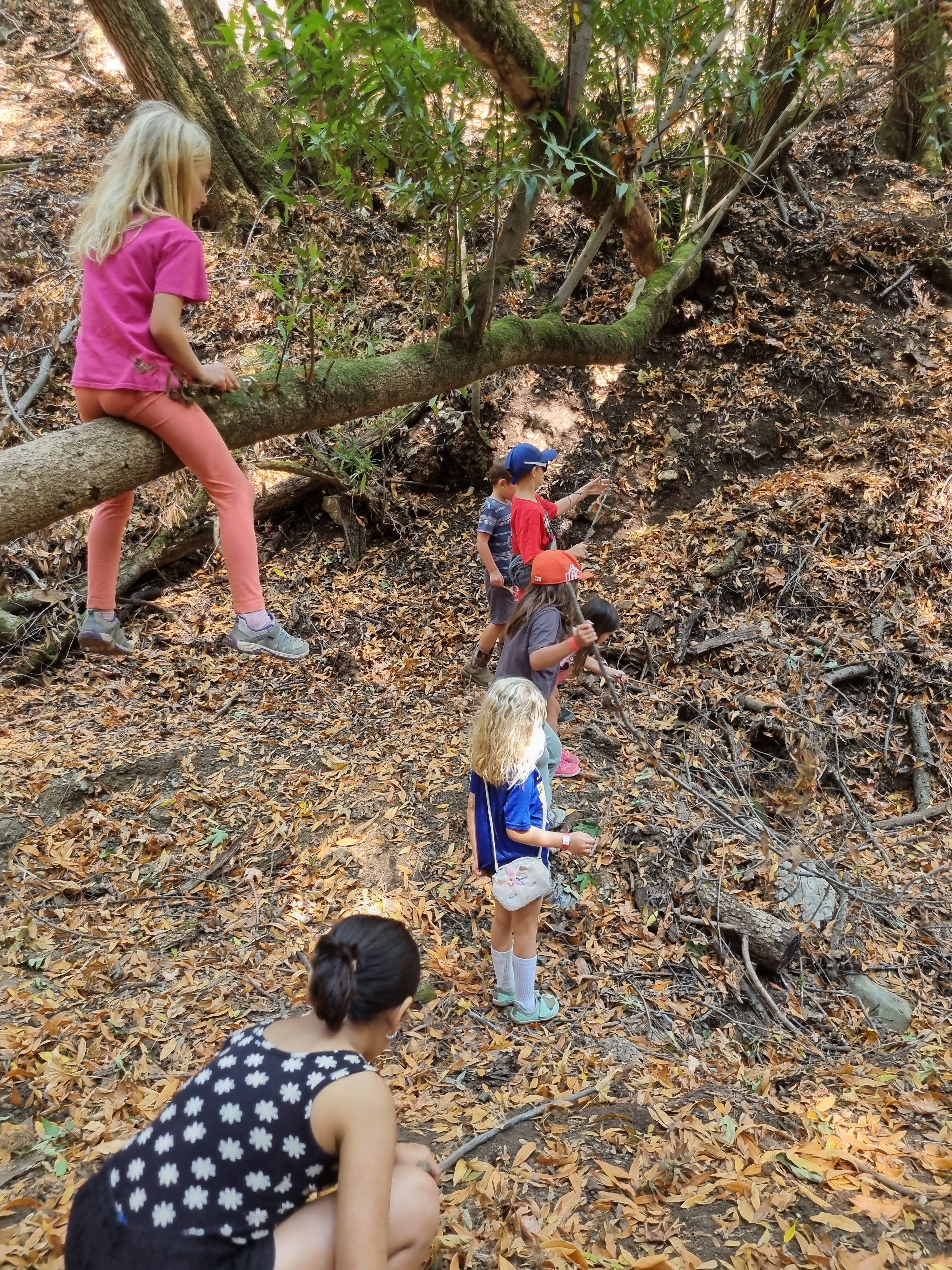
Each week on Friday, except the week before the Exhibition, our learners step into the natural world to slow down, observe closely, and learn through direct experience at local sites such as Deer Hollow Farm, Hidden Villa and local parks.
Learners spend weekly time outdoors at local nature sites, hiking trails, observing plants and wildlife, sketching, and asking questions about ecosystems and seasonal change through direct experience.
Learning in real outdoor environments sharpens attention and curiosity. By engaging all their senses, learners notice details, make observations, and develop scientific thinking that deepens understanding beyond what can be learned indoors.
In varied outdoor settings, learners show new strengths and leadership, building empathy, teamwork, and confidence as they face real challenges together.

.png)

